
Obamacare By The Numbers: Exchange Enrollment

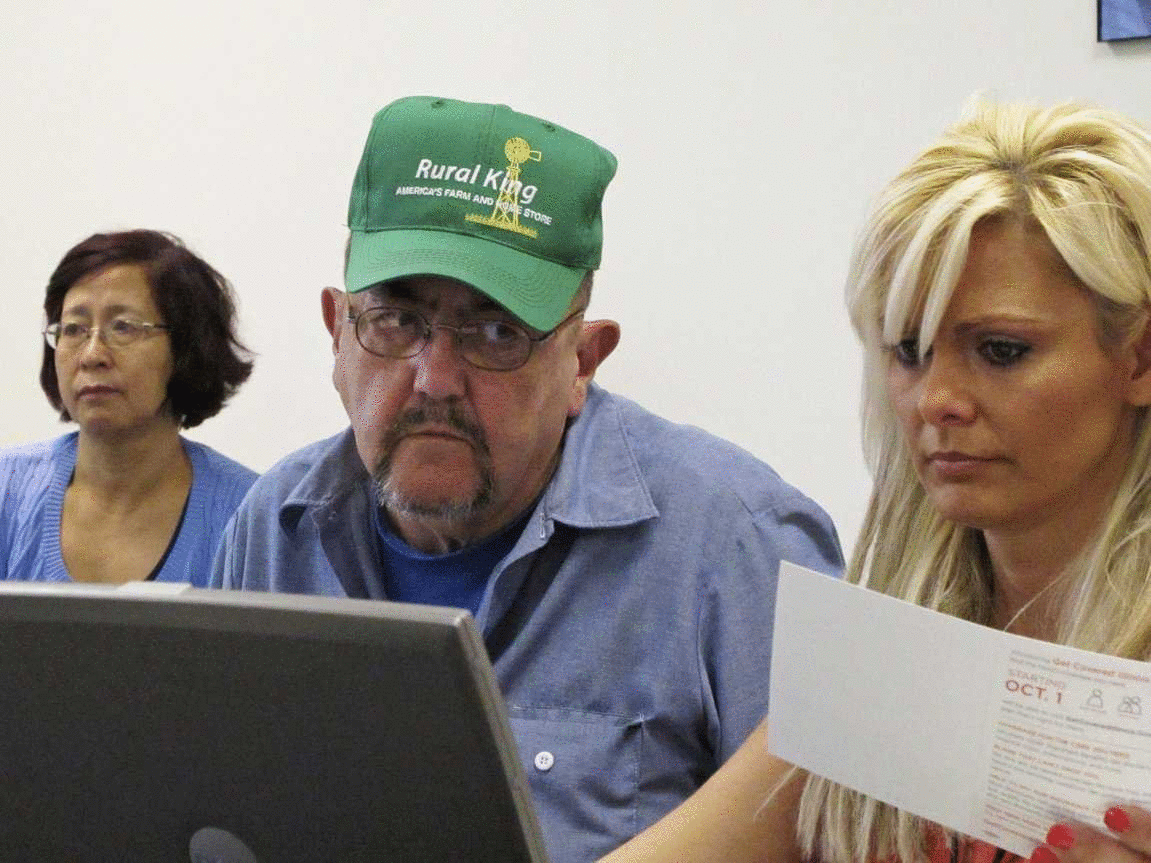
Some Obamacare supporters claim that 10 million uninsured Americans have so far gained coverage thanks to the new law. Are they right? (Credit: AP)

Some Oba­macare sup­port­ers claim that 10 mil­lion unin­sured Amer­i­cans have so far gained cov­er­age thanks to the new law. Are they right? (Cred­it: AP)

“Let’s look at the bot­tom line. The bot­tom line is this: 10 mil­lion Amer­i­cans have health insur­ance today who would not have had it with­out the Afford­able Care Act. Ten mil­lion.”  — Sen. Richard Durbin (D‑IL)

Oba­macare crit­ics have tak­en con­sid­er­able plea­sure in point­ing out the law’s short­com­ings — can­celed poli­cies, high­er pre­mi­ums and cost-shar­ing, nar­row net­works — the list goes on.

Now that the web­site’s worst prob­lems have been resolved and enroll­ment num­bers look more respectable, you can hard­ly blame the law’s embat­tled advo­cates for using favor­able num­bers a bit loose­ly. After all, if those who find fault with the law have some­times behaved irre­spon­si­bly, why should­n’t its defend­ers stretch the truth a bit? Con­tin­ue read­ing →

On Ukraine, President Obama Should Heed Merkel

Russia has seized control of Crimea, the southernmost portion of Ukraine. Resolving the crisis peacefully requires adult leadership. [Credit: Washington Post]

Rus­sia has seized con­trol of Crimea, the south­ern­most por­tion of Ukraine. Resolv­ing the cri­sis peace­ful­ly requires adult lead­er­ship. [Cred­it: Wash­ing­ton Post]

In deal­ing with the Russ­ian incur­sion into Ukraine, Pres­i­dent Oba­ma will hear no bet­ter advice than this: lis­ten to Angela Merkel.

A week ago, it appeared that Ukraine would prove an embar­rass­ment for Russ­ian Pres­i­dent Vladimir Putin. Demon­stra­tors in Kiev demand­ed the res­ig­na­tion of the country’s Russ­ian-backed Pres­i­dent, Vik­tor Yanukovych, reject­ing a ten­ta­tive set­tle­ment with protest lead­ers that would have allowed him to retain pow­er tem­porar­i­ly. Yanukovych fled to Rus­sia and a tran­si­tion gov­ern­ment was formed in Kiev, which prompt­ly charged him with mass mur­der. Con­tin­ue read­ing →

Obamacare: Should Taxpayers Take the Risk of Subsidies?

I testified on Obamacare yesterday before the House Oversight and Government Reform Committee.

I tes­ti­fied on Oba­macare yes­ter­day before the House Over­sight and Gov­ern­ment Reform Committee.

I tes­ti­fied yes­ter­day before the House Over­sight and Gov­ern­ment Reform Com­mit­tee on a some­what tech­ni­cal pro­vi­sion of Oba­macare.  The pro­vi­sion estab­lish­es “risk cor­ri­dors,” which lim­it prof­its and loss­es of insur­ers that sell through the exchanges.  Plans that make “excess prof­its” must pay into the risk cor­ri­dor fund; those that suf­fer “excess loss­es” receive mon­ey from that fund.   Con­tin­ue read­ing →

A Super Bowl on Steroids

After just two seasons, the Broncos' Von Miller already had failed two drug tests. But he'll be on the field in tonight's Super Bowl because cheating in football, unlike in baseball, doesn't bother us. [Credit: gtbets.eu]

After just two sea­sons, the Bron­cos’ Von Miller already had failed two drug tests. His absence from tonight’s Super Bowl is due to a knee injury, not PED use, because cheat­ing in foot­ball does­n’t seem to both­er us. [Cred­it: gtbets.eu]

A 315 pound man with a body mass index over 36 is con­sid­ered obese, accord­ing to the Nation­al Insti­tutes of Health. But if he can bench press 225 pounds 35 times, jump 32 inch­es ver­ti­cal­ly and run 40 yards in 4.8 sec­onds, he prob­a­bly plays in the NFL. And we prob­a­bly don’t care what he may have put into his body to facil­i­tate such feats.

Tonight an esti­mat­ed 110 mil­lion Amer­i­cans will watch tech­ni­cal­ly obese but sub­lime­ly ath­let­ic men con­tend for foot­ball suprema­cy. Our indif­fer­ence as to how they acquired such strength and ath­leti­cism expos­es a dou­ble stan­dard in our atti­tude toward ath­let­ic achieve­ment. We shame Alex Rodriguez and Lance Arm­strong as cheaters, but we’ll cheer on two teams whose ranks include sev­er­al play­ers who have been caught tak­ing per­for­mance-enhanc­ing drugs (PEDs) and no doubt many oth­ers who have avoid­ed detec­tion. Con­tin­ue read­ing →

Curly Howard And Our Health Care System

Curly Howard didn't design our healthcare system, but his plumbing misadventure helps explain why it's such a mess -- before and after Obamacare.  [Credit: wondersinthedark.com]

Curly Howard did­n’t design our health­care sys­tem, but his plumb­ing mis­ad­ven­ture helps explain why it’s such a mess — before and after Oba­macare. [Cred­it: wondersinthedark.com]

Curly Howard didn’t design the US health­care sys­tem. Or Oba­macare. Or Repub­li­can pro­pos­als to replace it. But he could have.

Howard, the most cre­ative of the Three Stooges, set out to fix a leak­ing pipe. His solu­tion: add a length of pipe. Each time he did, the flow of water was tem­porar­i­ly inter­rupt­ed, only to resume, this time out of the pipe he’d just added. Unde­terred, he added anoth­er length of pipe. By the end of the episode, a frus­trat­ed and sog­gy Curly is enmeshed in pipes. And still the water flows.

So it is with health­care. The leak, in this case, is the basic premise of insur­ance – that risk is inevitable and its cost must show up some­where. Curly’s pipe is reg­u­la­tion – the unceas­ing attempts by gov­ern­ment to divert and dis­guise the cost of that risk. The sys­tem that result­ed from per­pet­u­al inter­ven­tion resem­bles the one Curly pro­duced – cost­ly, cum­ber­some, inef­fi­cient and con­fus­ing. Con­tin­ue read­ing →

Vince Young And Economic Mobility

Vince Young in happier times. His rapid rise and sudden fall constitute a cautionary tale. But behind it all there is good news about economic opportunity and upward mobility. [Credit: Dallas Morning News]

Vince Young in hap­pi­er times. His rapid rise and sud­den fall tell a cau­tion­ary tale. But a new study pro­vides wel­come news about eco­nom­ic oppor­tu­ni­ty and upward mobil­i­ty. [Cred­it: Dal­las Morn­ing News]

Vince Young is bank­rupt.  The sto­ry of a star col­lege quar­ter­back who rose from hum­ble cir­cum­stances to impos­si­ble wealth only to plunge into insol­ven­cy in the course of eight years is one marked by extrav­a­gant spend­ing, fool­ish invest­ments and, he has argued in court doc­u­ments, exploita­tion by agents, busi­ness asso­ciates, fam­i­ly and friends.  His is an extreme exam­ple of eco­nom­ic mobility.

Reports of Young’s bank­rupt­cy fil­ing coin­cid­ed with the release this week of a new study by a group of Har­vard and Berke­ley econ­o­mists that reached an unex­pect­ed con­clu­sion: upward eco­nom­ic mobil­i­ty is not the exclu­sive province of entre­pre­neurs, enter­tain­ers and star ath­letes like Young. The Nation­al Bureau of Eco­nom­ic Research [NBER] report con­clud­ed that “chil­dren enter­ing the labor mar­ket today have the same chances of mov­ing up in the income dis­tri­b­u­tion (rel­a­tive to their par­ents) as chil­dren born in the 1970s.” Con­tin­ue read­ing →

A Modest (And Potentially Bipartisan) Obamacare Proposal

Here are three changes Congress should make to Obamacare: 1) no cancellations; 2) no bailouts; 3) no tax on the uninsured. [Credit: thinkquest.org]

Here are three changes Con­gress should make to Oba­macare: 1) no can­cel­la­tions; 2) no bailouts; 3) no tax on the unin­sured. [Cred­it: thinkquest.org]

Here’s a crazy idea: Repub­li­cans and at least some Democ­rats say they sup­port mak­ing changes to Oba­macare; why doesn’t Con­gress give vot­ers a pleas­ant sur­prise and change it?

These changes would be polit­i­cal­ly pop­u­lar, rel­a­tive­ly mod­est and enjoy at least some bipar­ti­san sup­port. Although the pre­vail­ing polit­i­cal cli­mate makes it hard for law­mak­ers to do any­thing of sub­stance, mak­ing the health care law more friend­ly to con­sumers and less accom­mo­dat­ing to cor­po­rate inter­ests would appeal to vot­ers across the spec­trum. Con­tin­ue read­ing →

Is Congress Still Relevant?

All 100 Senators gathered last year for this photo. They have done little since. Have they become irrelevant? [Credit: senate.gov]

All 100 Sen­a­tors gath­ered last year for this pho­to. Under Har­ry Rei­d’s lead­er­ship, they have done lit­tle since. Have they become irrel­e­vant? [Cred­it: senate.gov]

Here is all you need to know about the decline of the Unit­ed States Con­gress: a US Sen­a­tor recent­ly asked a fed­er­al judge to block the Oba­ma Admin­is­tra­tion from unlaw­ful­ly sub­si­diz­ing his own health insur­ance coverage.

The law­suit illus­trates how Con­gress has become a sub­servient branch of the fed­er­al gov­ern­ment.  Sub­ject to the whim of the Exec­u­tive Branch, one of its Mem­bers must now appeal to the Judi­cial Branch for relief.  Actu­al­ly leg­is­lat­ing seems out of the ques­tion. Con­tin­ue read­ing →

Frenemies of the Poor

The 50th anniversary of the President Johnson's declaration of a War on Poverty has provoked strong views on whether it has succeeded or failed. The truth lies somewhere between. [Credit: Huffington Post]

The 50th anniver­sary of the Pres­i­dent John­son’s dec­la­ra­tion of a War on Pover­ty has pro­voked strong views on whether it has suc­ceed­ed or failed. The truth lies some­where between. [Cred­it: Huff­in­g­ton Post]

It’s not much of an exag­ger­a­tion to say that right now Repub­li­cans are doing all they can to hurt the poor, and they would have inflict­ed vast­ly more harm if they had won the 2012 elec­tion. More­over, GOP harsh­ness toward the less for­tu­nate isn’t just a mat­ter of spite (although that’s part of it); it’s deeply root­ed in the party’s ide­ol­o­gy.  Paul Krug­man, “Ene­mies of the Poor,” Jan­u­ary 12, 2014

The 50th anniver­sary of Pres­i­dent Johnson’s War on Pover­ty has occa­sioned a good deal of moral exhi­bi­tion­ism. Lib­er­als heap praise on the pro­grams and flat­ter them­selves for sup­port­ing the trans­fer of an esti­mat­ed $20.7 tril­lion (in 2011 dol­lars) in cash and non-cash ben­e­fits from those who earned it to those who did not. And they are rel­ish­ing the oppor­tu­ni­ty to denounce con­ser­v­a­tives as ene­mies of the poor, moti­vat­ed by ide­ol­o­gy and spite.

Some con­ser­v­a­tives, like the Her­itage Foundation’s Robert Rec­tor, are using the anniver­sary to declare the War on Pover­ty lost. Rec­tor recent­ly was quot­ed as say­ing that “the War on Pover­ty has been a com­plete cat­a­stro­phe.” Con­tin­ue read­ing →

Unemployment Benefits and Harry Reid’s Pain

Harry Reid has embraced the pain of sequestration in his proposal to extend jobless benefits. But does it address the problem? [Credit: Roll Call]

Har­ry Reid has embraced the pain of seques­tra­tion in his pro­pos­al to extend job­less ben­e­fits. But does it address the prob­lem? [Cred­it: Roll Call]

“I think it’s real­ly unfair that it would be so easy to turn the sequester around and allow us to do some­thing for the long term to take care of this issue. But no, the Repub­li­cans like the pain. They like the pain.”  — Sen­ate Major­i­ty Leader Har­ry Reid, April 24, 2013

Har­ry Reid (D‑NV) has late­ly embraced the pain of sequester. On Thurs­day, Reid advanced a pro­pos­al to off­set the cost of extend­ing “emer­gency” unem­ploy­ment ben­e­fits with auto­mat­ic cuts in med­ical spend­ing for the elder­ly and dis­abled. Con­tin­ue read­ing →