Vince Young And Economic Mobility

Vince Young in happier times. His rapid rise and sudden fall constitute a cautionary tale. But behind it all there is good news about economic opportunity and upward mobility. [Credit: Dallas Morning News]

Vince Young in hap­pi­er times. His rapid rise and sud­den fall tell a cau­tion­ary tale. But a new study pro­vides wel­come news about eco­nom­ic oppor­tu­ni­ty and upward mobil­i­ty. [Cred­it: Dal­las Morn­ing News]

Vince Young is bank­rupt.  The sto­ry of a star col­lege quar­ter­back who rose from hum­ble cir­cum­stances to impos­si­ble wealth only to plunge into insol­ven­cy in the course of eight years is one marked by extrav­a­gant spend­ing, fool­ish invest­ments and, he has argued in court doc­u­ments, exploita­tion by agents, busi­ness asso­ciates, fam­i­ly and friends.  His is an extreme exam­ple of eco­nom­ic mobility.

Reports of Young’s bank­rupt­cy fil­ing coin­cid­ed with the release this week of a new study by a group of Har­vard and Berke­ley econ­o­mists that reached an unex­pect­ed con­clu­sion: upward eco­nom­ic mobil­i­ty is not the exclu­sive province of entre­pre­neurs, enter­tain­ers and star ath­letes like Young. The Nation­al Bureau of Eco­nom­ic Research [NBER] report con­clud­ed that “chil­dren enter­ing the labor mar­ket today have the same chances of mov­ing up in the income dis­tri­b­u­tion (rel­a­tive to their par­ents) as chil­dren born in the 1970s.” Con­tin­ue read­ing →

Welfare or Work: A Difficult Choice

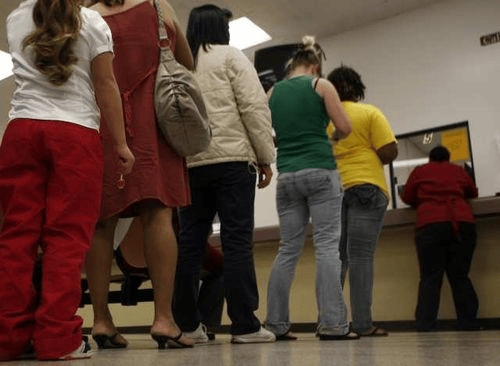
The choice between welfare and work is not always an easy one, according to a new study by the Cato Institute.  (Credit: LA Times)

The choice between wel­fare and work is not always an easy one, accord­ing to a new study by the Cato Insti­tute. (Cred­it: LA Times)

(NOTE: This post was updat­ed on Sep­tem­ber 23 to incor­po­rate the gov­ern­men­t’s new­ly-released pover­ty rate data.)

If forced to choose between a full-time job that paid $24.40 per hour and enrolling in a pack­age of gov­ern­ment ben­e­fits that paid a com­pa­ra­ble amount, which would you choose? Con­tin­ue read­ing →