Good News Coming On The Deficit. Well, Sort Of.

Syriza party leader Alexis  Tsipras hopes to prevail in today's Greek elections, which could mark a turning point in his nation's struggle against a crushing load of debt. Meanwhile, U.S. government deficits are improving. Sort of.

Syriza par­ty leader Alex­is Tsipras hopes to pre­vail in today’s Greek elec­tions, which could pro­voke a show­down between Euro­pean lead­ers and Greece, which strug­gles under a crush­ing load of debt. Mean­while, U.S. gov­ern­ment deficits are improv­ing. Sort of. [Cred­it: BBC]

On Tues­day morn­ing, the Con­gres­sion­al Bud­get Office will announce that the fed­er­al deficit con­tin­ued to decline last year.

The announce­ment will trig­ger an orgy of self-con­grat­u­la­tion in Wash­ing­ton.  The Admin­is­tra­tion will claim that its poli­cies have been vin­di­cat­ed.  Repub­li­cans also will take a bow, tout­ing spend­ing con­straints they’ve imposed since win­ning the House majority.

But you’ll hear noth­ing from the Wash­ing­to­ni­ans who most deserve cred­it for reduced deficits: the Fed­er­al Reserve Board of Gov­er­nors.  By hold­ing inter­est rates near zero and lend­ing tril­lions in free mon­ey to the Trea­sury, the Fed has allowed the gov­ern­ment to reduce deficits even as it gorged on debt. Con­tin­ue read­ing →

When Dead Men Rule

G.K. Chesterton worried that our predecessors would have too little influence on our politics. But Gene Steuerle says that they have too much. [Credit: christiancompletely blog]

G.K. Chester­ton wor­ried that our ances­tors would have too lit­tle influ­ence on our soci­ety. But a new book by the Urban Insti­tute’s Gene Steuer­le says that they exert too much con­trol over our pol­i­tics. [Cred­it: chris­tian­com­plete­ly blog]

“Tra­di­tion means giv­ing votes to the most obscure of all class­es, our ances­tors.  It is the democ­ra­cy of the dead.” – G.K. Chester­ton

Chester­ton fret­ted that mod­ern democ­ra­cies might show too lit­tle def­er­ence to past gen­er­a­tions.  But accord­ing to the Urban Institute’s Gene Steuer­le, the very oppo­site is true: in Amer­i­can democ­ra­cy, dead men rule. Con­tin­ue read­ing →

Tolerance, The Amish And Hobby Lobby

Pamela Harris, shown here with her disabled son, prevailed at the Supreme Court this week in her challenge to an Illinois law requiring her to pay union dues.  [Credit: Heartland Institute]

Pamela Har­ris, shown here with her dis­abled son, pre­vailed at the Supreme Court this week in her chal­lenge to an Illi­nois law requir­ing her to pay union dues. [Cred­it: Heart­land Institute]

For a brief time dur­ing the 1980s, I was Direc­tor of Pol­i­cy Devel­op­ment for the Social Secu­ri­ty Admin­is­tra­tion.  The title is more glo­ri­fied than the real­i­ty.  Social Secu­ri­ty is a big and ossi­fied pro­gram that resists “pol­i­cy devel­op­ment.”  Con­gress, ever cog­nizant of the polit­i­cal risks of tam­per­ing with the pro­gram, had been forced by its loom­ing insol­ven­cy to pass a mas­sive law hik­ing pay­roll tax­es and rais­ing the retire­ment age just a few years before.  They were in no mood to enter­tain addi­tion­al legislation.

But my job was to pre­pare options for the Commissioner’s con­sid­er­a­tion, so I met with career staff who had an idea: why not advo­cate for a bill requir­ing self-employed Amish farm­ers to pay social secu­ri­ty tax­es? Con­tin­ue read­ing →

Welfare or Work: A Difficult Choice

The choice between welfare and work is not always an easy one, according to a new study by the Cato Institute.  (Credit: LA Times)

The choice between wel­fare and work is not always an easy one, accord­ing to a new study by the Cato Insti­tute. (Cred­it: LA Times)

(NOTE: This post was updat­ed on Sep­tem­ber 23 to incor­po­rate the gov­ern­men­t’s new­ly-released pover­ty rate data.)

If forced to choose between a full-time job that paid $24.40 per hour and enrolling in a pack­age of gov­ern­ment ben­e­fits that paid a com­pa­ra­ble amount, which would you choose? Con­tin­ue read­ing →

America’s Shrinking Workforce

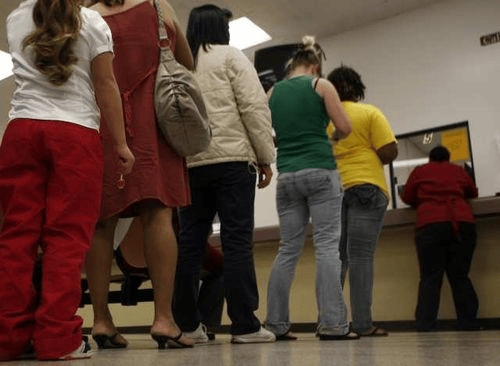
Unemployment officeAmer­i­ca had a bad week. We once again were remind­ed that ter­ror­ism rep­re­sents a con­tin­u­ing threat, that indi­vid­u­als poi­soned by hate­ful ide­ol­o­gy can inflict great harm. We were also remind­ed that we are capa­ble of respond­ing to these bru­tal acts, as Pres­i­dent Oba­ma said, “Self­less­ly. Com­pas­sion­ate­ly. And unafraid.”

Ter­ror­ism presents a chal­lenge to which we’ve yet to for­mu­late a durable response. We remain vul­ner­a­ble, despite the government’s con­tin­ued efforts to keep us safe.

There is anoth­er prob­lem, less hor­rif­ic in its imme­di­ate effects but no less intractable, that also is get­ting the bet­ter of us: the prob­lem of job­less­ness. Con­tin­ue read­ing →

Budget Wars: Can They Bridge the Health Care Gap?

Bud­get debates make good polit­i­cal the­ater. Each par­ty forces record­ed votes designed to score polit­i­cal points and embar­rass mem­bers of the oppos­ing par­ty. The House had fun yes­ter­day with some amend­ments before adopt­ing the Repub­li­can pro­pos­al writ­ten by Paul Ryan (R‑WI). The Sen­ate began debate on its pro­pos­al last evening and is brac­ing for Friday’s “vote-a-rama” – a day of record­ed votes on dozens of polit­i­cal­ly-barbed amend­ments advanced by mem­bers of both par­ties. Con­tin­ue read­ing →