A Detached President Could Be Just What the NSA Needs

President Obama was described as "impatient" and "disengaged" during briefings on last year's Syria crisis.  That  sense of detachment lead him to a constructive resolution of the NSA snooping controversy. [Credit: Pumas Unleashed]

Pres­i­dent Oba­ma was described as “impa­tient” and “dis­en­gaged” dur­ing brief­in­gs on last year’s Syr­ia cri­sis. That sense of detach­ment could lead him to a con­struc­tive res­o­lu­tion of the NSA snoop­ing con­tro­ver­sy. [Cred­it: Pumas Unleashed]

Even as the debate about arm­ing the [Syr­i­an] rebels took on a new urgency, Mr. Oba­ma rarely voiced strong opin­ions dur­ing senior staff meet­ings. But cur­rent and for­mer offi­cials said his body lan­guage was telling: he often appeared impa­tient or dis­en­gaged while lis­ten­ing to the debate, some­times scrolling through mes­sages on his Black­Ber­ry or slouch­ing and chew­ing gum.

New York Times, Octo­ber 22, 2013

A Pres­i­dent has enor­mous demands on his time and atten­tion. He can’t focus on every­thing. He must choose. Pres­i­dent Oba­ma, if the New York Times account is to be believed, chose to be “impa­tient” and “dis­en­gaged” as his advis­ers last year pre­sent­ed him with options on Syr­ia, per­haps explain­ing why he fol­lowed what the Times termed “an uncer­tain path amid Syr­i­an bloodshed.”

The dis­en­gage­ment from mat­ters of nation­al secu­ri­ty that served him so poor­ly through­out the Syr­i­an affair might unique­ly suit him to resolve the con­tro­ver­sy over whether the gov­ern­ment should con­tin­ue to gath­er large vol­umes of data about US cit­i­zens. Con­tin­ue read­ing →

Maximum Wage: Solution to Inequality?

The Swiss campaign to limit executive pay fell short, but are there good solutions to the problem of income inequality?

The Swiss cam­paign to lim­it exec­u­tive pay fell short, but are there good solu­tions to the prob­lem of income inequality?

We know that people’s frus­tra­tions run deep­er than these most recent polit­i­cal bat­tles. … They expe­ri­ence in a very per­son­al way the relent­less, decades-long trend. … And that is a dan­ger­ous and grow­ing inequal­i­ty and lack of upward mobil­i­ty that has jeop­ar­dized mid­dle-class America’s basic bar­gain — that if you work hard, you have a chance to get ahead. .I believe this is the defin­ing chal­lenge of our time: mak­ing sure our econ­o­my works for every work­ing Amer­i­can. It’s why I ran for Pres­i­dent. It was at the cen­ter of last year’s cam­paign. It dri­ves every­thing I do in this office. — Pres­i­dent Obama

Eco­nom­ic inequal­i­ty is a polit­i­cal­ly potent issue.  Van­der­bilt Uni­ver­si­ty pro­fes­sor Lar­ry Bar­tels believes that it was a crit­i­cal one in the 2012 Pres­i­den­tial race, adding 2 to 3 per­cent­age points to Pres­i­dent Oba­ma’s share of the vote and 1 per­cent in bat­tle­ground states.  The Pres­i­den­t’s advan­tage on this issue, Bar­tels says, was large­ly sym­bol­ic, hav­ing more to do with the per­cep­tion that his oppo­nen­t’s great wealth had detached him from the con­cerns of ordi­nary vot­ers. Peo­ple moti­vat­ed to vote for the Pres­i­dent because of this issue did so more because of who they believed Mitt Rom­ney was than because of what the Pres­i­dent pro­posed to do. Con­tin­ue read­ing →

Do You Believe In Government Conspiracies?

Secretary of State John Kerry last week offered up his theory on the Kennedy assassination, joining the many of Americans who subscribe to conspiracy theories. [Credit: The Guardian]

Sec­re­tary of State John Ker­ry last week offered up his thoughts on the Kennedy assas­si­na­tion, join­ing many Amer­i­cans who sub­scribe to con­spir­a­cy the­o­ries. [Cred­it: The Guardian]

“Mod­ern diplo­mats approach every prob­lem with an open mouth.” — Arthur J. Gold­berg, for­mer Labor Sec­re­tary, Supreme Court Jus­tice, and UN Ambassador

If Gold­berg is right, then there is no more mod­ern a diplo­mat than our chat­ty Sec­re­tary of State, John Ker­ry. Ker­ry last week mused aloud on the Kennedy assas­si­na­tion dur­ing his inter­view with for­mer net­work news­read­er Tom Brokaw. “To this day,” Ker­ry said, “I have seri­ous doubts that Lee Har­vey Oswald act­ed alone.” Con­tin­ue read­ing →

The Moral Hazard of Government

Sting wrote the stalker's anthem, "Every Breath You Take," a song that takes on new meaning in light of newest NSA revelations. [Credit: Davids Zondy]

Sting wrote the stalk­er’s anthem, “Every Breath You Take,” a song that takes on new mean­ing in light of newest NSA rev­e­la­tions. [Cred­it: Davids Zondy]

The intel­li­gence community’s gild­ed rep­u­ta­tion, already tar­nished by months of unau­tho­rized dis­clo­sures, was dragged into the realm of the creepy last Fri­day when an NSA offi­cial told a reporter about an agency employ­ee who had tapped secret gov­ern­ment data to spy on his ex-wife. Con­tin­ue read­ing →

NSA Surveillance: Insulting Our Intelligence?

Michael Corleone warned his brother-in-law not to insult his intelligence.  Does the government insult ours when it defends its snooping activities?  [Credit: Rotten Tomatoes]

Michael Cor­leone warned his broth­er-in-law not to insult his intel­li­gence. Does the gov­ern­ment insult ours when it defends its snoop­ing activ­i­ties? [Cred­it: Rot­ten Tomatoes]

“Improp­er pay­ments” by the fed­er­al gov­ern­ment totaled an esti­mat­ed $115.3 bil­lion in 2011, accord­ing to a report pre­pared by the Office of Man­age­ment and Bud­get (OMB), but the government’s own watch­dog agency doesn’t believe those esti­mates.  The Gov­ern­ment Account­abil­i­ty Office (GAO), which exam­ined the OMB analy­sis, thinks the num­ber of mis­spent fed­er­al dol­lars is much high­er. Con­tin­ue read­ing →

Harry Reid and Government Power Creep

Why is this man so sad?  [Credit: themediahaven.com]

Why is this man so sad? The Sen­ate’s most pow­er­ful man yearns for more pow­er.  [Cred­it: themediahaven.com]

Nobody does sad­ness like Har­ry Reid (D‑NV). His deflat­ed body slumped over the podi­um atop his Sen­ate desk, head shak­ing slow­ly, his faint raspy voice a mix­ture of res­ig­na­tion and exas­per­a­tion, Reid spends much of his time as the Senate’s most pow­er­ful fig­ure bemoan­ing his lack of pow­er. Con­tin­ue read­ing →

Presidents, Reality TV and Technical Truth-Telling

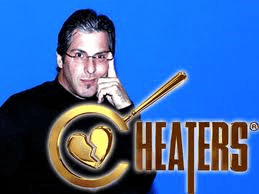
People say the darndest things when "Cheaters" host Joey Greco catches them in compromising positions.  Presidents, too, sometimes find themselves on the defensive.  When they do, we should think carefully about what they're saying.

Peo­ple say the darn­d­est things when “Cheaters” host Joey Gre­co catch­es them in com­pro­mis­ing posi­tions. Pres­i­dents, too, some­times find them­selves on the defen­sive. When they do, we should think care­ful­ly about what they’re saying.

Admit it. You enjoyed the eight-year real­i­ty show that was the Clin­ton White House as much as I did. Before there was “Cheaters,” there was the Pres­i­dent lyin’ and denyin.’ Before there was a “Real House­wives” fran­chise, there were rumors of the First Lady throw­ing a lamp (or was it a Bible?) at her hus­band (or was it a Secret Ser­vice agent)?  Before we were Keep­ing Up with the Kar­dashi­ans, we were delight­ing to gos­sip about the First Fam­i­ly of Dys­func­tion. The sto­ries didn’t have to be true, only believ­able. And they almost always were.

Con­tin­ue read­ing →

Can You Hear Me Now? The Limits of Government Power

The President assures us that no one is listening to our calls, but does that settle the debate?

The Pres­i­dent assures us that no one is lis­ten­ing to our calls, but does that set­tle the debate?

“Progress does not com­pel us to set­tle cen­turies-long debates about the role of gov­ern­ment for all time, but it does require us to act in our time. For now deci­sions are upon us and we can­not afford delay. We can­not mis­take abso­lutism for prin­ci­ple, or sub­sti­tute spec­ta­cle for pol­i­tics, or treat name-call­ing as rea­soned debate. We must act, know­ing that our work will be imper­fect. We must act.”

Pres­i­dent Oba­ma, Sec­ond Inau­gur­al Address, Jan­u­ary 21, 2013. Con­tin­ue read­ing →